Trace Daily
10 big things in tech
Jump to a story
Story of the day
Top in AI
Top in Robotics
Top in Markets
Top in Tech
Top in Startups
Top in Design
Story of the day
Dream Secures $17M to Transform Building Design with AI
Dream, a San Francisco-based startup founded by ex-Palantir executives, has raised $17 million in seed funding to enhance AI-driven building design.
The company aims to improve architectural precision and prevent structural faults through its innovative AI model, known as structural cognition, which integrates essential internal elements like plumbing and HVAC into its designs.
Currently, Dream's technology is being utilized in 10 active projects across Texas and California.
Top in AI
Companies promised AI gains— here's how the payoff showed up in earnings
Several companies are beginning to see tangible financial benefits from their investments in artificial intelligence, marking a shift from hype to measurable returns.
Santander reported that its AI initiatives generated 194 million euros ($216 million) in business value during the first nine months of 2026.
Novartis noted a 10% year-on-year increase in core operating income, attributing part of this growth to AI's impact on productivity.
Additionally, Meta's revenue surged 26% in Q3 2026, driven by AI-enhanced advertising, while Alphabet's Google Cloud revenue more than doubled to nearly $31 billion in the same quarter.
UiPath's Eight Years in Dubai: Inside the Strategy for Winning in the Middle East Agentic AI Market
Since entering Dubai in 2018, UiPath has shifted the conversation from robotic process automation (RPA) to agentic AI, emphasizing the orchestration of entire business processes.
With 97% of UAE organizations now embedding AI agents into workflows, the focus has evolved to managing how these agents interact with humans and existing systems.
UiPath's recent launch of Automation Cloud in October 2025 addresses local data residency and governance needs, enabling organizations to scale AI while adhering to regulatory requirements.
The UAE government has set an ambitious target for 50% of its services to be powered by agentic AI within the next two years.
AWS grows 39% and Amazon will spend even more on AI in 2027
Amazon reported a 12% increase in revenue to $201.9 billion for Q3, but its free cash flow plummeted to -$42.4 billion, primarily due to significant investments in AI.
Operating income rose to $28.1 billion, with an operating margin of 13.9%, the highest ever for the company.
Amazon Web Services (AWS) saw a 39% revenue increase to $46 billion, with CEO Andy Jassy forecasting continued growth of over 40% in 2027 and 2028.
The company also plans to start selling its Trainium AI chips outside AWS by late 2027.
Top in Robotics
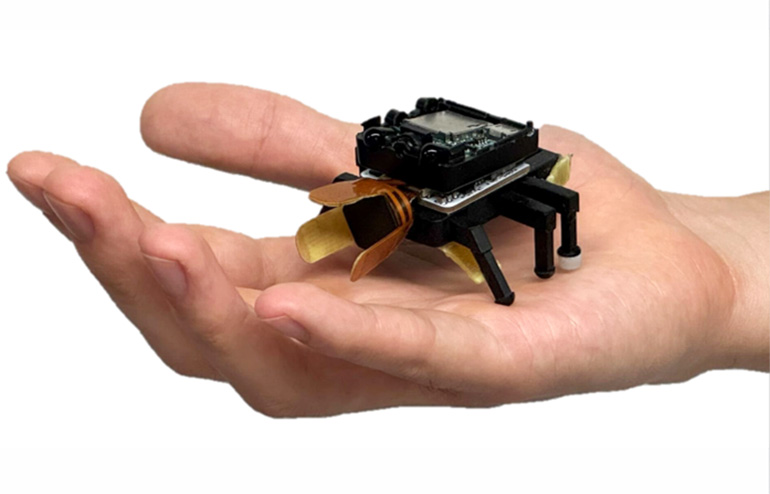
Unusual robotic animals can prove their utility
Korean researchers at KAIST have developed a beetle-like soft robot designed for practical applications, showcasing the evolution of robotics beyond traditional mechanical figures.
These robotic animals, which include cyborg cockroaches and mechanical ants, are equipped with advanced sensors and AI, enabling them to perform tasks such as searching for survivors in disaster zones and lifting heavy loads.
For instance, cyborg cockroaches can navigate rubble to locate trapped individuals, while Stanford's mechanical ants can move loads 2,000 times their weight, demonstrating significant advancements in robotic capabilities.
Rivian's autonomy gamble faces its first real test
During Rivian's recent earnings call, CEO RJ Scaringe focused heavily on the company's autonomous vehicle ambitions, revealing plans to test a point-to-point hands-free driving feature with employees in 2026 before a broader customer rollout in 2027.
Rivian aims to launch its first robotaxi vehicles in partnership with Uber by 2028, positioning itself against Tesla's established Full Self-Driving technology.
While Rivian's R2 SUV is gaining traction as its best-selling vehicle, the company faces significant financial risks as it invests in custom chips and lidar sensors while still scaling production.
Top in Markets
Wall Street Reacts to AI Spending Fears
Tech stocks are experiencing significant declines as concerns over AI investments mount.
Meta saw its shares drop 7% following an announcement of increased AI spending, while Intel faced a nearly 30% plunge, marking its worst day in over 50 years.
Additionally, Alphabet reported disappointing earnings, resulting in a 12% drop in its shares and a loss of $500 billion in market capitalization.
Top in Tech
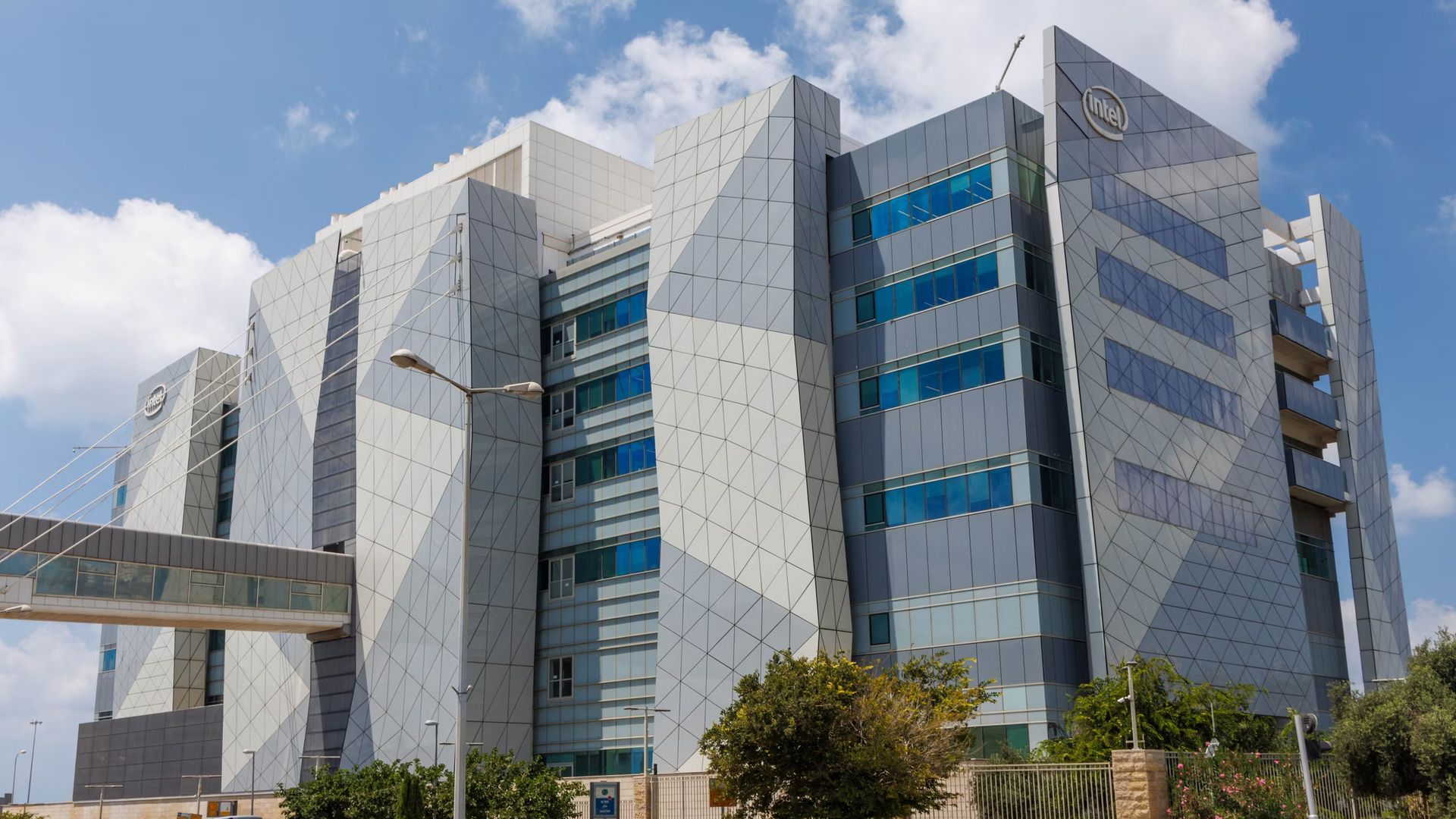
Deadly Intel Fab 28 explosion causes two-week shutdown, to cost $600 million and severely disrupt server chip manufacturing for six months — 10nm Xeon shipments stall during largest shortage in memory
An explosion at Intel's Fab 28 in Kiryat Gat, Israel, has led to a two-week shutdown of the facility, costing the company approximately $600 million in lost revenue over the next two quarters.
The incident, which occurred in mid-October and resulted in two fatalities and one serious injury, will significantly disrupt shipments of server processors utilizing Intel's 10nm-class process technologies.
CFO Dave Zinsner stated that production is expected to restart by the end of this week, but the financial impact will be felt in both Q4 2026 and Q1 2027, with a projected revenue loss of $300 million in each quarter and a 2% reduction in gross margin for Q4 2026.
Top in Startups
Cognition weighs funding at up to $80bn valuation, Business Insider reports
Cognition, the startup behind the AI coding agent Devin, is considering new funding offers that value the company between $70 billion and $80 billion.
This comes just weeks after its Series E funding round on September 8, where it raised over $2 billion at a $48 billion valuation, led by Andreessen Horowitz and Accel.
According to sources cited by Business Insider, the discussions are in early stages and terms may change.
Cognition's run-rate revenue has nearly doubled from $492 million in May to almost $900 million, reflecting rapid growth in the AI coding sector, which has seen increased investor interest following significant acquisitions like SpaceX's $60 billion purchase of rival Cursor.
Top in Design
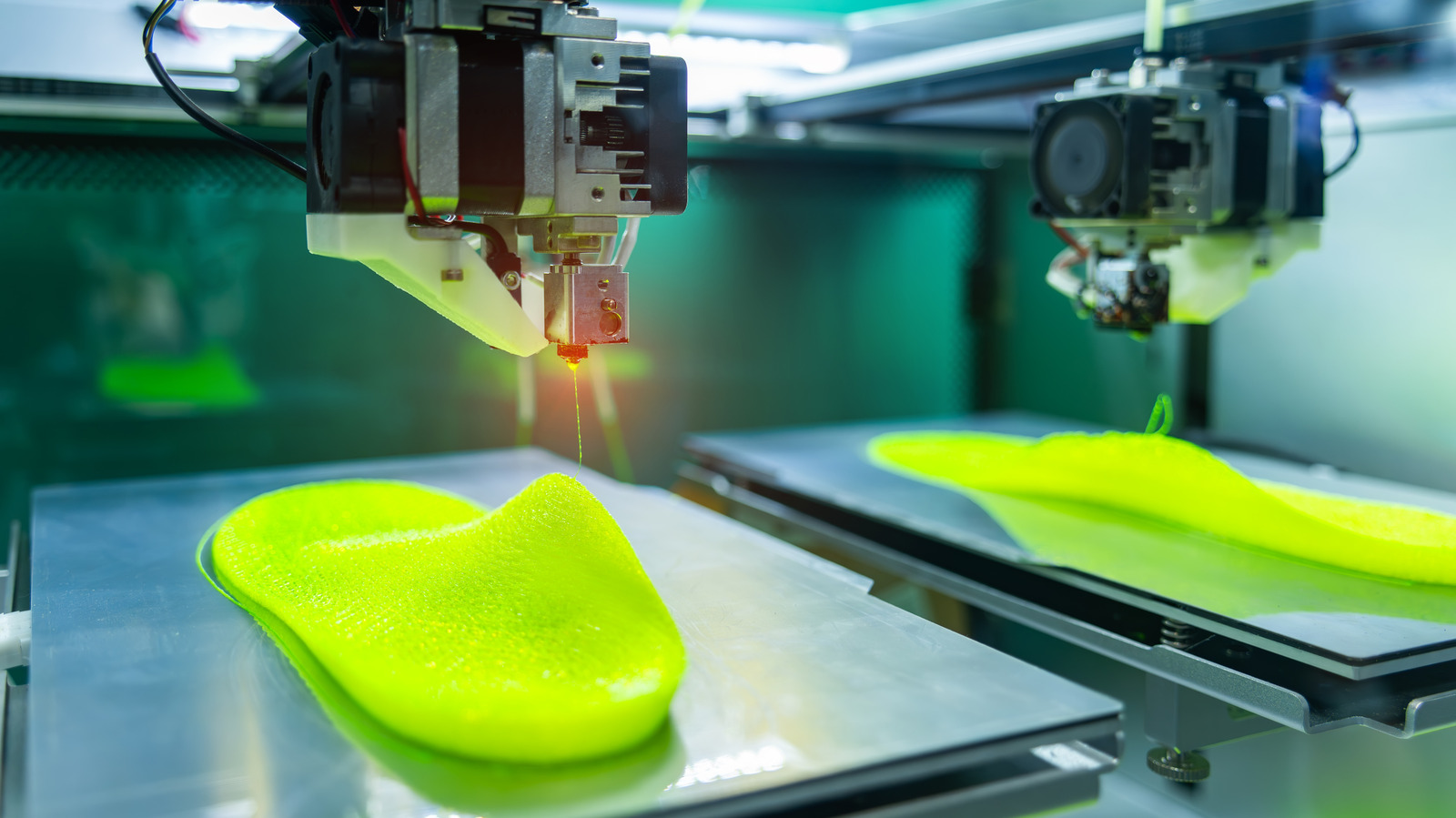
5 expensive hobbies where owning a 3D printer actually saves you money
Owning a 3D printer can lead to substantial savings for hobbyists by allowing them to create components and accessories at a fraction of retail prices.
Entry-level printers, such as the Creality Ender-3 V3 SE, are available for around $170, while filament costs approximately $20 per kilogram.
This technology is particularly beneficial for drone enthusiasts, gardeners, and photographers, who can print replacement parts and custom tools, thereby avoiding high costs associated with purchasing these items from stores.