
Causality optional? Testing the "indefinite causal order" superposition
New experiment explores the concept of indefinite causal order in quantum mechanics.
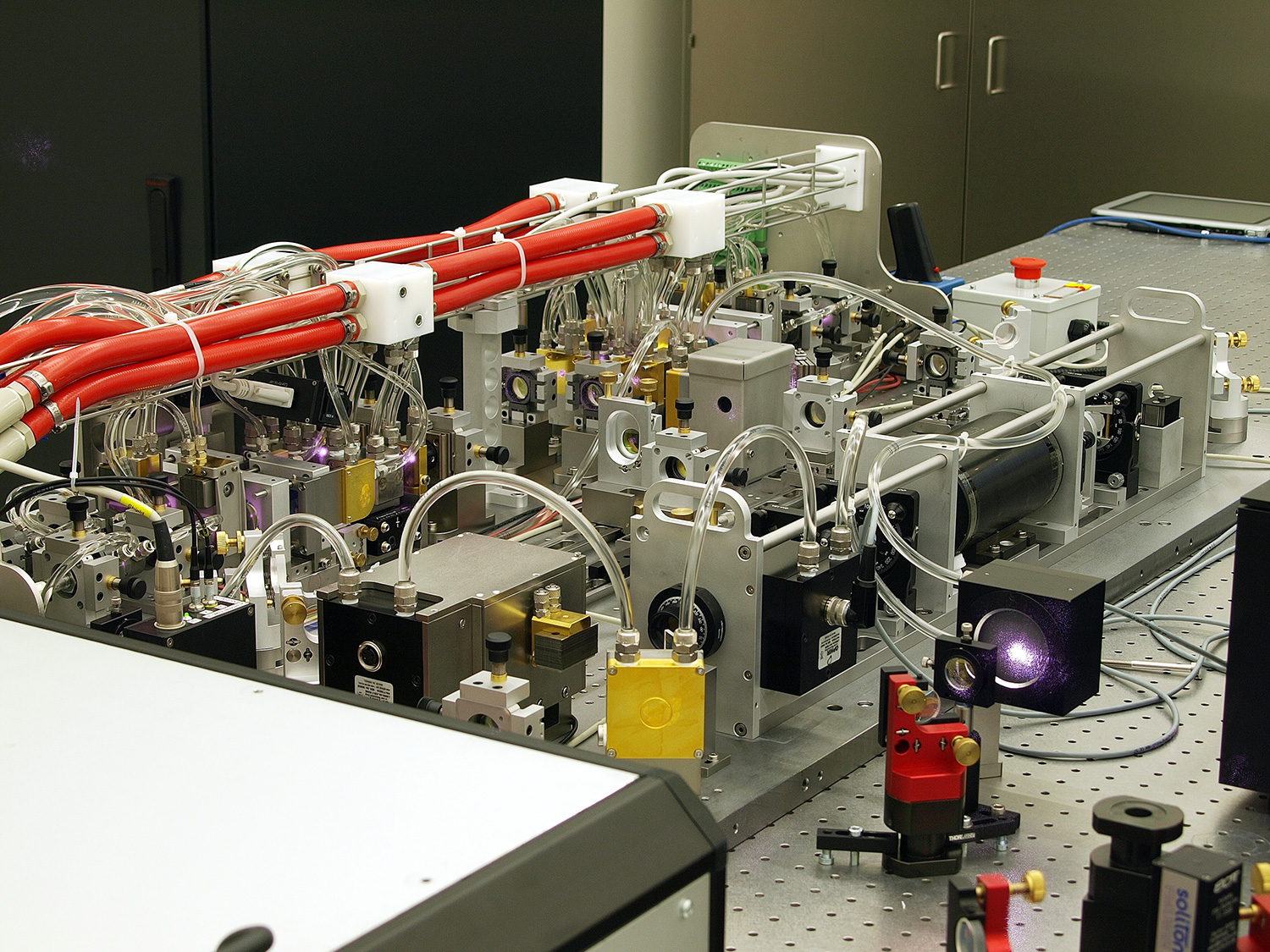
Physicists at the University of Vienna have conducted groundbreaking experiments that suggest the possibility of an 'indefinite causal order' in quantum mechanics, where the sequence of events A and B can exist in a superposition state. Their results, which deviate significantly from predictions based on Bell's theorem, indicate that causality may not be a strict requirement in quantum systems, opening up new avenues for practical applications in quantum technology.
Key Takeaways
- 1.
Researchers at the University of Vienna achieved results 18 standard deviations away from Bell's theorem predictions.
- 2.
The experiment suggests that superposition of temporal order is a fundamental aspect of quantum mechanics.
- 3.
The device used could outperform causally ordered processes in various applications, including quantum key distribution.
Get your personalized feed
Trace groups the biggest stories, videos, and discussions into one feed so you can stay current without scanning ten tabs.
Try Trace free