
Loading Smarter: SVG vs. Raster Loaders in Modern Web Design
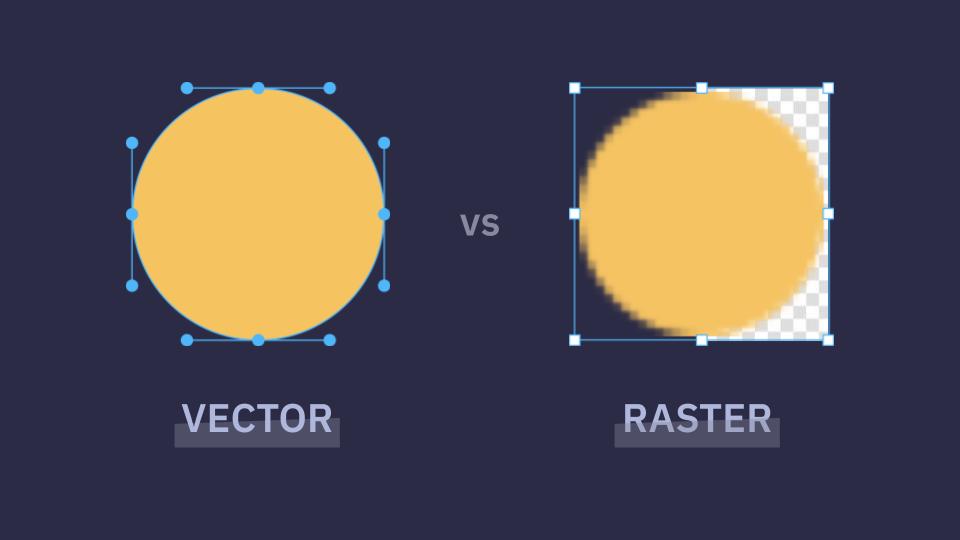
Choosing SVG loaders over raster images can significantly improve web performance and user experience. SVGs are generally smaller in file size, often measured in bytes, compared to raster images that can be kilobytes or even megabytes. This reduction in file size, combined with the ability to embed SVGs directly in HTML, eliminates unnecessary HTTP requests, leading to faster rendering times.
Moreover, SVGs offer superior visual quality with true transparency and smooth edges, making them ideal for complex UI layers. They also allow for dynamic animations and interactivity, enabling developers to create engaging loading experiences that reflect brand identity. For instance, instead of a generic spinner, a business could showcase an animation of products arriving, enhancing user engagement during wait times.
In summary, while raster loaders may still be suitable for specific scenarios, the advantages of SVGs in terms of performance, customization, and storytelling make them a preferred choice for modern web applications. This shift not only improves technical efficiency but also enriches the overall user experience, which is crucial for retaining users and enhancing brand loyalty.
Get your personalized feed
Trace curates the best articles, videos, and discussions based on your interests and role. Stop doom-scrolling, start learning.
Try Trace free