
Democratic economic policy in the age of AI
Key Takeaways
Adopt a robust economic policy framework that prioritizes adaptability over predictions.
Focus on creating abundance through investments in technology and infrastructure.
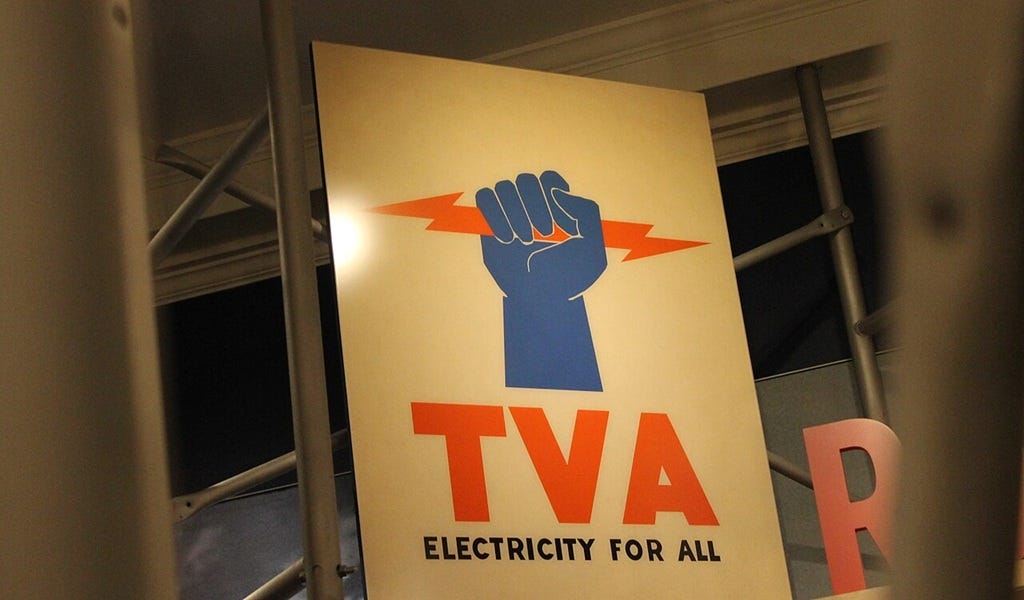
Consider government ownership in key industries to align public interests with economic growth.
The Problem
In the rapidly evolving landscape of the economy, particularly influenced by AI technologies, there exists a significant level of uncertainty regarding future job markets, inflation rates, and income distributions. This uncertainty poses a challenge for policymakers, especially for the Democratic party, which needs to adapt its economic strategies to remain relevant and effective. The core issue is how to create economic policies that are resilient to unpredictable changes in technology and the economy.
The Limitations of Previous Economic Policies
The progressive economic program of the 2010s, which focused on government spending to sustain full employment, was built on the assumption of a stable macroeconomic environment. However, by the time these policies were implemented, the economic landscape had shifted dramatically. The focus on increasing aggregate demand led to unintended consequences, such as rising inflation, which undermined the effectiveness of these policies. Moreover, the reliance on taxing billionaires to fund social programs proved to be impractical, as the expected revenue did not materialize, leading to deficit-funded initiatives that lacked sustainability.
The Approach: Robustness in Economic Policy
To address the challenges posed by rapid technological advancements, Democrats need to adopt a robust approach to economic policy. This involves creating policies that can withstand various future scenarios rather than relying on predictions that may quickly become obsolete. The idea is to focus on principles that promote stability and adaptability in the face of uncertainty.
Key Principles for Future Policies
- Abundance: Emphasizing the creation of wealth and resources rather than merely distributing existing ones. This could involve investing in infrastructure, education, and technology to foster innovation and economic growth.
- Government Ownership: Advocating for government stakes in key industries to ensure that public interests are represented and that profits can be reinvested into the economy. This could take the form of public-private partnerships or sovereign wealth funds.
- Promotion of Human Work: Developing policies that enhance the value of human labor in an increasingly automated world. This could include job retraining programs and incentives for industries that prioritize human workers over automation.
Implementation Strategies
To implement these principles effectively, Democrats could leverage tools such as data analytics to assess economic trends and identify areas for investment. For instance, using predictive modeling to forecast the impact of AI on job markets can guide policy decisions. Additionally, establishing collaborative platforms for stakeholders in various sectors can facilitate the sharing of resources and ideas, ensuring that policies are informed by diverse perspectives.
Conclusion
In conclusion, the Democratic party must evolve its economic policies to address the complexities of a rapidly changing economy. By focusing on robustness and adaptability, they can create a framework that not only responds to current challenges but also anticipates future needs. This approach will not only help in navigating economic uncertainties but also in fostering a more equitable and prosperous society.
Why it matters
Understanding these principles will enhance your ability to contribute to policy discussions and strategic planning in your organization. It also equips you with a mindset that values adaptability and foresight in an unpredictable economic landscape.
Get your personalized feed
Trace curates the best articles, videos, and discussions based on your interests and role. Stop doom-scrolling, start learning.
Try Trace free