
What I Learned from MasterClass
Key Takeaways
Invest in high-quality production values to differentiate content in a crowded market.
Consider launching niche subscription services to cater to specific audience segments.
Monitor the rise of micro-streamers as they may disrupt traditional media models.
Introduction to MasterClass and Production Quality
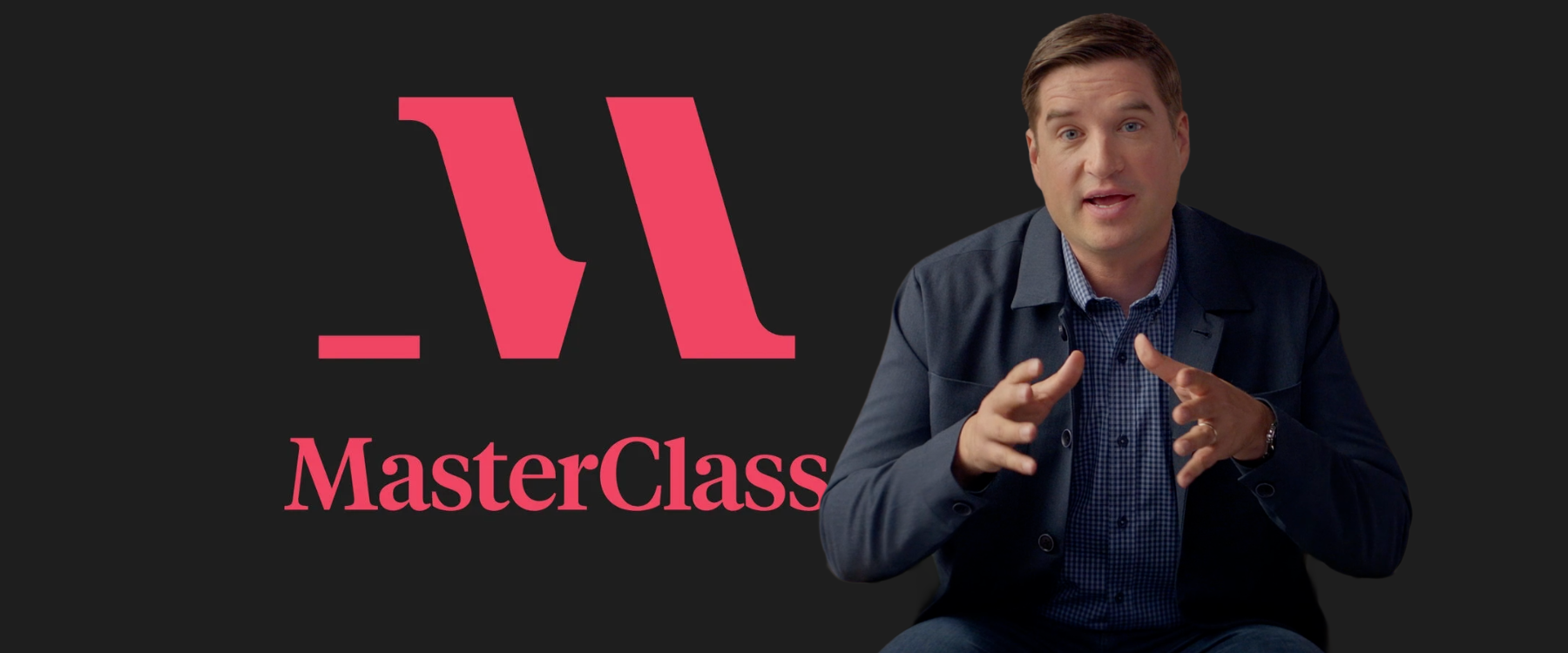
Last fall, I filmed a course for MasterClass titled "Rebuild Your Focus & Reclaim Your Time," which is rooted in my book Slow Productivity. The course, launched recently, exemplifies the intersection of technology and productivity, showcasing an impressive level of production quality that sets it apart from typical online content. MasterClass employs high-end production crews, including directors, cinematographers, and multiple camera operators, which elevates the viewing experience to a level akin to that of professional television shows.
The Quality Gap: Independent vs. Legacy Media
The experience of working with MasterClass highlighted a significant quality gap between independent video productions, such as those on YouTube, and legacy media productions from established streaming services or television networks. While platforms like YouTube offer a vast array of content, the production quality often lacks the polish and professionalism found in legacy media. This distinction influences consumer behavior; audiences are willing to pay for high-quality content on platforms like Netflix, while they often view lower-quality independent content as less valuable.
Emergence of Micro-Streamers
As the production quality of independent content creators improves, we see the rise of niche subscription services, or what I term 'micro-streamers.' A prime example is Dropout TV, which emerged from CollegeHumor and offers original unscripted shows at a production quality indistinguishable from major streaming platforms, all for a monthly fee of $6.99. Despite lacking the massive budgets of traditional media, Dropout has successfully attracted over a million subscribers by focusing on quality and a targeted audience. This trend indicates a shift in how content is produced and consumed, as more independent creators seek to establish their own platforms rather than relying on ad-supported models.
Future Implications for Video Content
The diminishing gap in production quality between independent and legacy media raises critical questions about the future of video content. As more creators embrace high-quality production techniques, we can expect an influx of specialized content that competes directly with established players. This evolution could lead to a more fragmented media landscape, where niche services thrive alongside traditional giants. The potential for new platforms, such as a hypothetical 'Deep Life TV' app, underscores the shifting dynamics in content consumption and production. The future of video is not just about access but about the quality and specificity of the content offered.
Why it matters
The evolution of independent video production is reshaping consumer expectations and content consumption patterns. As quality improves, traditional media may face increased competition, leading to a more diverse and specialized media landscape.
Get your personalized feed
Trace curates the best articles, videos, and discussions based on your interests and role. Stop doom-scrolling, start learning.
Try Trace free