
Does anyone know why we're still doing tariffs?
Key Takeaways
The Supreme Court ruled many of Trump's tariffs illegal, limiting presidential power over trade.
Tariffs have hurt American manufacturing, leading to job losses and declining factory activity.
Public sentiment against tariffs is strong, with many Americans feeling the economic pinch.
Trump's reliance on tariffs reflects a desire for personal power and influence in trade negotiations.
The future of tariffs remains uncertain, with potential implications for presidential authority.
Supreme Court Ruling on Trump's Tariffs
In a surprising turn of events, the Supreme Court recently ruled that many of Donald Trump’s tariffs were illegal, stating that the President cannot unilaterally impose tariffs without Congressional approval. Chief Justice John Roberts emphasized that the Constitution grants this power solely to Congress. This ruling has significant implications for future tariff policies, as it limits the President's ability to use the International Emergency Economic Powers Act (IEEPA) for tariff imposition.
Legal Frameworks for Imposing Tariffs
Despite the Supreme Court's ruling, Trump still has legal avenues to impose tariffs through older laws from the 1960s and 1970s. For instance, he invoked Section 122 to impose a 10% tariff on all imports, quickly raising it to 15%. This means that while the overall statutory tariff rate might have decreased slightly, the effective rates could actually rise due to the complex interactions of existing tariffs and exemptions.
Economic Impact of Tariffs on Manufacturing
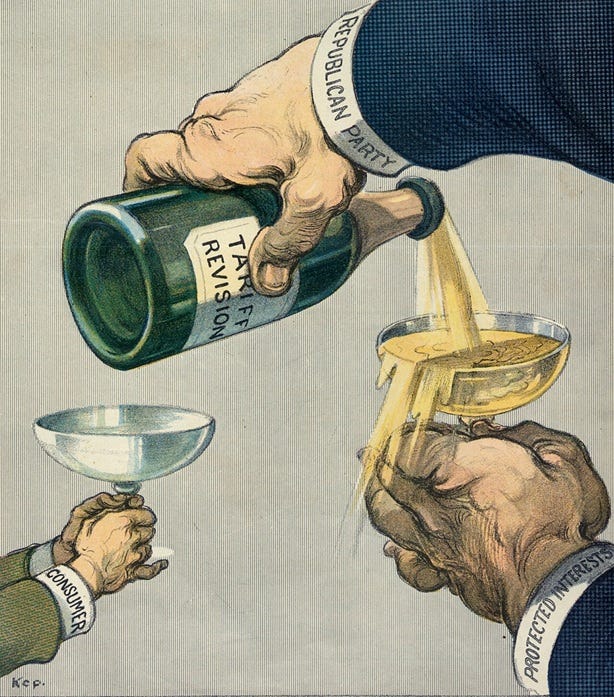
The economic rationale behind these tariffs has always been murky. Trump claimed they would reduce the trade deficit and revive American manufacturing. However, economists have pointed out that tariffs act as taxes on intermediate goods, ultimately hurting the very industries they aim to protect. For example, the manufacturing sector has seen job losses and declining activity, contradicting Trump's promises of a manufacturing renaissance. Reports indicate that manufacturers shed jobs in the months following the tariffs, with an index of factory activity shrinking for 26 consecutive months.
Public Sentiment and Political Implications
Public opinion on tariffs has soured, with recent polls indicating that Americans overwhelmingly disapprove of them. Despite a solid labor market, Trump's approval ratings on trade are significantly underwater. As consumer sentiment plummets to levels not seen since the Great Financial Crisis, Trump appears to be realizing the political risks of his tariff policies. In response, he has started issuing exemptions to alleviate the burden on consumers, yet the core issue remains unresolved.
The Future of Tariffs and Presidential Power
The ongoing saga of tariffs raises questions about the balance of power in the U.S. government. Trump's attachment to tariffs may stem from a desire to maintain personal power and influence over trade negotiations. By controlling tariffs, he can wield significant leverage over foreign nations and domestic businesses alike. This situation reflects a broader trend within the GOP, where the consolidation of presidential power has become a point of contention. The Supreme Court's ruling may have curtailed some of this power, but the implications for future administrations remain uncertain.
In conclusion, tariffs have become a complex and contentious issue, intertwining economic policy with political strategy. While they were initially justified as a means to address trade deficits, the reality is that they have caused more harm than good, both economically and politically.
Why it matters
Understanding the complexities of tariffs helps us grasp their impact on the economy and political landscape. As tariffs continue to shape trade policy, their implications for consumers and businesses are crucial for informed decision-making.
Get your personalized feed
Trace curates the best articles, videos, and discussions based on your interests and role. Stop doom-scrolling, start learning.
Try Trace free