
Pros and Cons of Artificial Intelligence
Key Takeaways
AI can significantly enhance productivity by automating repetitive tasks, allowing professionals to focus on higher-value activities.
Be aware of the potential for job displacement; prepare for shifts in the labor market by upskilling and diversifying skill sets.
Understand the risks of fraud and misinformation associated with AI technologies; implement safeguards to protect against these threats.
Engage in discussions about the ethical implications of AI to contribute to the development of responsible governance frameworks.
Stay informed about advancements in AI to leverage its benefits while being mindful of its societal impacts.
Introduction to AI's Current Landscape
Artificial Intelligence (AI) is at a pivotal moment in its development, characterized by both excitement and trepidation. Predictions about its impact range from utopian visions of solving global issues to dystopian fears of job displacement and misuse. As we navigate this landscape, it’s essential to understand both the advantages and disadvantages that AI brings to society.
Pros of AI: Enhancements and Innovations
One of the most significant advantages of AI is its ability to streamline repetitive tasks, leading to substantial productivity gains. As noted, AI can automate processes that consume valuable time, allowing professionals to focus on more strategic activities. Furthermore, the advent of agentic AI promises personal assistants that can manage tasks autonomously, enhancing efficiency in both personal and professional realms. Additionally, AI's capacity to analyze vast amounts of data can accelerate scientific breakthroughs and drug discovery, potentially revolutionizing healthcare.
Cons of AI: Risks and Challenges
However, the rise of AI is not without its challenges. The potential for mass job displacement, particularly in entry-level white-collar positions, poses a significant concern. While the labor market has remained stable for now, experts warn that the impending changes could lead to widespread unemployment. Moreover, the proliferation of AI tools may facilitate fraud and misinformation, making it easier for criminals to exploit individuals through sophisticated scams. The societal implications of increased reliance on technology, such as diminished interpersonal relationships and mental health issues, also warrant serious consideration.
The Future of AI: Balancing Benefits and Dangers
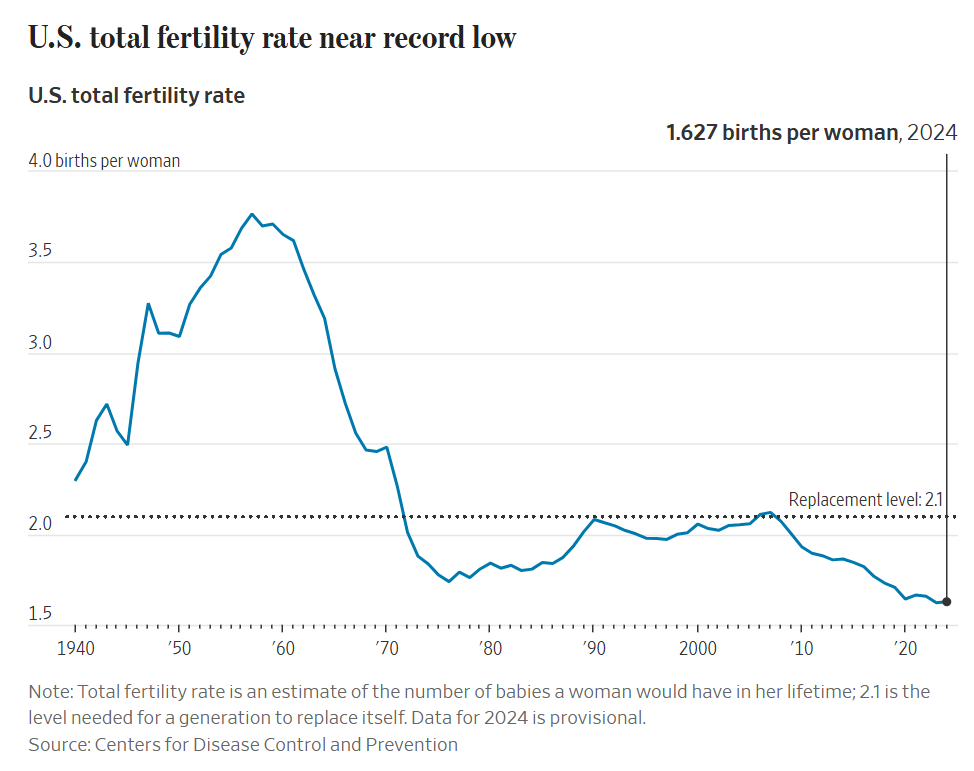
As we look ahead, the dual nature of AI's impact becomes increasingly clear. While it offers the potential to address pressing demographic challenges, such as declining fertility rates and an aging population, it also raises existential questions about control and ethical use. The fear of a Sky Net scenario, while often dismissed, highlights the need for robust governance and ethical frameworks to guide AI's development. Ultimately, the challenge will be to harness AI's capabilities while mitigating its risks, ensuring that the benefits are equitably distributed across society.
Why it matters
The evolution of AI is reshaping industries and job markets, making it crucial for professionals to adapt and prepare for the changes ahead. Understanding both the opportunities and challenges presented by AI will enable individuals and organizations to navigate this transformative landscape effectively.
Get your personalized feed
Trace curates the best articles, videos, and discussions based on your interests and role. Stop doom-scrolling, start learning.
Try Trace free