
Inside Pompeii
Key Takeaways
Pompeii was buried under 5 meters of ash, preserving it for centuries.
The city had an advanced water system that showcased Roman engineering.
Pompeii's gladiatorial arena could hold thousands, reflecting its cultural values.
The eruption of Vesuvius provides a unique snapshot of Roman daily life.
Archaeological discoveries continue to reshape our understanding of ancient Rome.
The cataclysmic eruption of Mount Vesuvius
Imagine living in a bustling city, completely unaware that a catastrophic event is about to unfold. In 79 AD, Pompeii was a thriving hub of commerce and culture, but it was also perilously close to Mount Vesuvius, a volcano that would soon unleash its fury. The eruption buried the city under 5 meters of volcanic ash, preserving it in a way that would provide invaluable insights into Roman life for centuries to come. This dark irony is at the heart of Pompeii's story — destruction led to preservation.
A snapshot of daily life in Pompeii
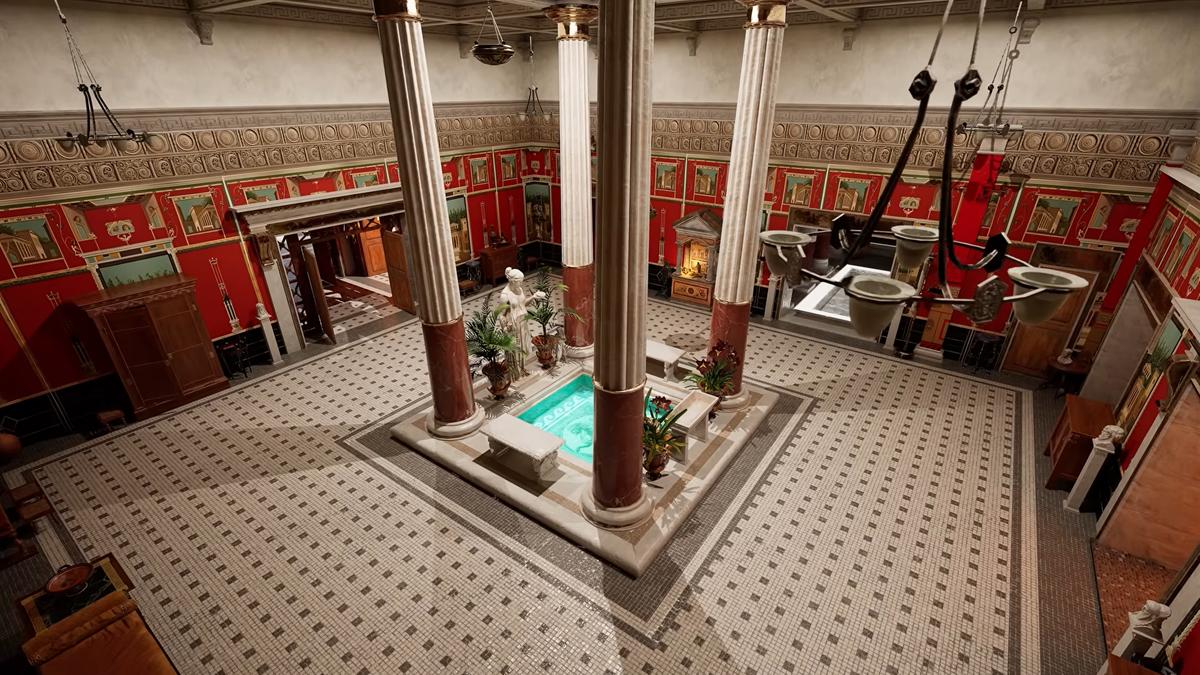
The video from Lost in Time takes us on a 3D tour of Pompeii, showcasing the vibrancy of daily life just before the disaster. Streets were alive with merchants selling goods, children playing, and citizens engaging in lively discussions. The city was a microcosm of Roman society, reflecting its complexities and nuances. From the bustling markets to the intimate homes, every corner of Pompeii tells a story of its inhabitants, their joys, and their struggles.
The city's advanced infrastructure
One of the most fascinating aspects of Pompeii was its sophisticated water system. The city had an intricate network of aqueducts and fountains that supplied fresh water to its residents. This engineering marvel not only highlights the ingenuity of Roman technology but also underscores the importance of hygiene and public health in ancient times. Imagine walking through the streets and hearing the gentle flow of water, a testament to the city’s advanced infrastructure.
Cultural and entertainment highlights
Pompeii was also a center for entertainment, with its gladiatorial arena being a focal point for social gatherings. The arena could hold thousands of spectators, eager to witness the thrilling and often brutal contests. This aspect of Pompeii's culture reveals much about Roman values and societal norms, where spectacle and violence were intertwined with public life. The video captures the excitement of these events, transporting viewers back to a time when such spectacles were commonplace.
The legacy of Pompeii's preservation
As archaeologists continue to excavate Pompeii, they uncover more about the lives of its residents. The city serves as a remarkable time capsule, offering a glimpse into the past that few other sites can match. Each discovery adds layers to our understanding of Roman civilization, from art and architecture to social structures and daily routines. Pompeii's preservation is not just about the past; it informs our present and future, reminding us of the fragility of life and the enduring power of history.
Why it matters
Understanding Pompeii gives us a unique lens into ancient Roman life, revealing both their advancements and their vulnerabilities. This knowledge not only enriches our historical perspective but also reminds us of the delicate balance between civilization and nature.
Get your personalized feed
Trace curates the best articles, videos, and discussions based on your interests and role. Stop doom-scrolling, start learning.
Try Trace free