
Why this new ice-cream brand only makes sense after dark
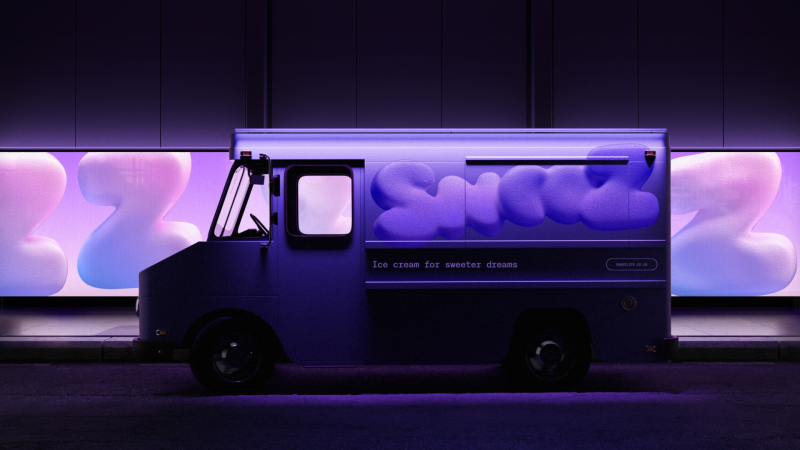
Key Takeaways
Over 60% of ice cream is consumed after 6 PM, highlighting a market opportunity for nighttime products.
Snooz replaces traditional ingredients with sleep-friendly components like chamomile and magnesium.
How&How's branding strategy involved a complete departure from daytime imagery, focusing on a night-centric design philosophy.
The logo features cloud-like letterforms and two eclipsed moons, reinforcing the brand's connection to sleep.
The tone of voice is adult-oriented, appealing to consumers who enjoy ice cream after putting their kids to bed.
Understanding the Market Insight
The creation of Snooz ice cream stems from a compelling market insight: more than 60% of ice cream is eaten after 6 PM. This statistic reveals a contradiction in consumer behavior—people indulge in sugary treats while struggling with sleep. Recognizing this, Snooz's founders aimed to create a product that not only satisfies late-night cravings but also promotes relaxation and sleep. By incorporating ingredients like chamomile, theanine, magnesium, and lemon balm, Snooz offers a unique twist on traditional ice cream, effectively 'tucking you in and turning off the lights.'
Branding Against the Norm
In the realm of ice cream branding, conventional wisdom often dictates a bright, cheerful aesthetic that appeals to daytime consumption. However, How&How took a bold approach by designing a brand that truly embodies the night. Instead of merely softening the color palette or adding a moon motif, they committed to a night-centric design philosophy. This involved creating a visual identity that stands in stark contrast to the typical daytime imagery associated with ice cream.
The Visual Identity
The first step in developing Snooz's brand was crafting a distinctive wordmark. The logo features soft, cloud-like letterforms and two eclipsed moons, symbolizing both sleep and the night sky. This design choice communicates the brand's core message effectively. The visual world surrounding Snooz includes animations reminiscent of a screensaver—think zero gravity and starry skies—which evoke a sense of calm and relaxation, ideal for late-night indulgence. The color palette is deep and cool, diverging from the vibrant neons and primaries that dominate the freezer aisle.
Innovative Photography and Tone of Voice
Photographer Charlie McKay contributed to the brand's unique identity through a distinctive photography style. Instead of the typical golden-hour product shots, McKay employed an overexposed, flash-on approach, capturing the essence of a late-night gathering. This unconventional method aligns perfectly with Snooz's branding, reinforcing its adult-oriented appeal.
The tone of voice crafted by head of copy Will Nicklin further distinguishes Snooz from competitors. By adopting a 'not suitable for kids' (NSFK), spoon-in-cheek voice, Snooz speaks directly to adults who enjoy their ice cream after the kids have gone to bed. This strategy not only targets a specific demographic but also creates a more intimate connection with consumers, making them feel understood and catered to.
The Importance of Coherence in Branding
What makes Snooz's branding noteworthy is its coherence. Every element, from the insight that drove the strategy to the execution of the creative territory, reflects a commitment to the brand's nighttime identity. This level of coherence is often lacking in branding efforts, where agencies may hesitate to fully embrace their insights. Snooz's success illustrates that when the insight is strong enough, the most courageous move is to follow it through to completion, resulting in a brand that stands out in a crowded market.
Why it matters
Snooz's innovative approach to branding highlights a significant shift in consumer behavior and market opportunities. By addressing the nighttime consumption of ice cream, the brand not only fills a gap in the market but also challenges traditional branding norms. This case serves as a reminder for creatives to trust strong insights and embrace bold strategies, particularly in industries dominated by conventional thinking.
Get your personalized feed
Trace curates the best articles, videos, and discussions based on your interests and role. Stop doom-scrolling, start learning.
Try Trace free