
Film Students Can No Longer Sit Through Films
Key Takeaways
Film students are struggling to sit through movies due to smartphone distractions.
Cognitive patience is a crucial skill being eroded by constant digital interruptions.
Practical strategies like the thirty-minute rule can help reclaim attention spans.
AI reporting often sensationalizes job loss narratives without solid evidence.
Understanding the real impact of AI on jobs requires critical analysis of media narratives.
The Decline of Attention in Film Studies
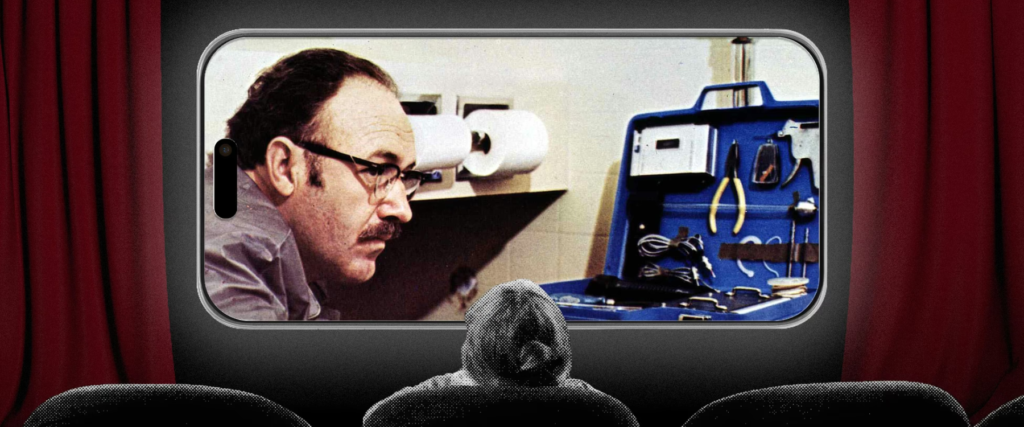
Imagine being a film professor and realizing that your students can’t even sit through a two-hour movie. This is the reality for many educators today, as highlighted in Rose Horowitch's article from The Atlantic. Professors across the country are voicing concerns about a troubling trend: students are increasingly unable to focus on feature-length films. Craig Erpelding, a film professor at the University of Wisconsin at Madison, lamented, "I used to think, if homework is watching a movie, that is the best homework ever. But students will not do it."
Smartphones as the Main Culprit
The primary suspect in this attention crisis? Smartphones. Many professors report that students are often distracted by their devices during screenings. One professor at Tufts University attempted to ban electronics but found it nearly impossible to enforce. "About half the class ends up looking furtively at their phones," she noted. This behavior is reminiscent of nicotine addicts experiencing withdrawal, as students fidget and struggle to resist the urge to check their notifications.
Understanding Cognitive Patience
This phenomenon ties back to a concept called cognitive patience, coined by reading scholar Maryanne Wolf. It refers to the ability to maintain focused attention and delay gratification. The presence of smartphones hijacks this ability, activating our brain's short-term reward system. When students feel the compulsion to check their phones, it creates a cascade of neurochemicals that drive them to distraction. Over time, this leads to a diminished capacity for sustained attention, making it increasingly difficult to engage with longer films.
Strategies to Reclaim Attention
So, how can we combat this issue? The author suggests treating the ability to watch an entire film as a training goal, similar to how a new runner prepares for a 5k. Here are three actionable strategies:
- Keep your phone in a different room: This simple step prevents the short-term reward system from firing up and distracting you.
- Watch better movies: Engaging with meaningful content helps create a positive association with the viewing experience, making it easier to resist distractions in the future.
- Practice the thirty-minute rule: Before starting a movie, read a review or analysis to set the stage. Pause every thirty minutes to revisit that analysis, which helps maintain a critical appreciation and keeps you engaged.
The Irony of Digital Solutions
It’s ironic that the solution to our attention crisis involves using one screen to mitigate the distractions of another. Many people are frustrated with how digital devices impact their focus, yet they often lack strategies to push back. Rediscovering the patient joys of cinema might just be a part of that solution.
AI Vibe Reporting and Its Implications
Switching gears, the article also touches on the rise of AI vibe reporting, where sensational headlines create unnecessary panic about job losses in white-collar sectors due to AI. For instance, a recent article claimed that a quarter of unemployed Americans hold a bachelor’s degree, implying a direct link to AI. However, this connection lacks solid evidence. The decline in jobs for college grads began well before the AI boom, and many layoffs are more accurately attributed to pandemic-related over-hiring corrections.
In summary, while generative AI may disrupt the job market in the future, the current narratives often exaggerate the immediate impact. It’s crucial to sift through the hype and focus on the real stories that matter.
Why it matters
This issue reflects a broader societal challenge: as our attention spans dwindle, we risk losing the ability to engage deeply with complex ideas and experiences. Understanding these dynamics not only helps us navigate our own media consumption but also prepares us for the evolving landscape of work in the age of AI.
Get your personalized feed
Trace curates the best articles, videos, and discussions based on your interests and role. Stop doom-scrolling, start learning.
Try Trace free