
Sizing Chaos
Key Takeaways
Utilize size charts from multiple brands to understand your measurements better.
Consider learning basic sewing skills to create custom-fit clothing.
Engage with online communities that discuss sizing issues and share experiences.
Keep a personal record of your measurements to refer to when shopping.
Stay informed about sizing changes and trends in the fashion industry.
The Problem
Finding clothes that fit properly is a universal struggle, particularly for women. The fashion industry lacks a standardized sizing system, leading to significant discrepancies between brands and styles. This inconsistency often results in frustration and confusion for shoppers, who may find themselves wearing different sizes across various retailers. The absence of regulations means that each brand can define its own sizes, creating a landscape where a size 10 in one store may equate to a size 14 in another.
The Evolution of Sizing
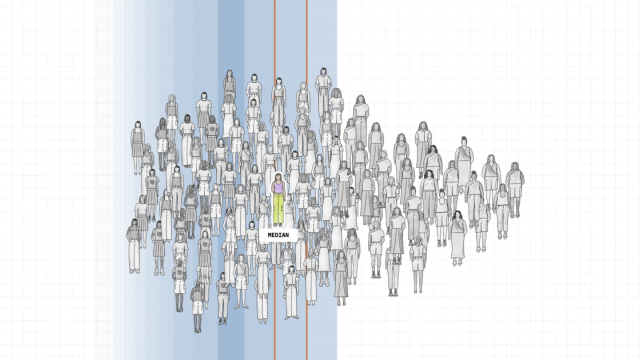
Historically, children's clothing sizes were tied to age and developmental stages, allowing for a straightforward progression as girls transitioned into women's sizes. However, by the age of 15, many girls find themselves in the women's section for the first time, where the sizing system shifts dramatically. The median waistline for a 15-year-old girl aligns with a size 10, but as women age, the average size continues to increase, complicating the shopping experience.
Current Sizing Standards
The ASTM International organization provides informal guidelines for sizing, but brands often deviate from these standards to cater to their target demographics. This results in a lack of uniformity, where the same size label can represent a wide range of waist measurements. For example, a size Large can span waistlines from 29 to 34 inches, leaving consumers guessing about their true size. The median adult woman's waistline is now approximately 37.68 inches, which corresponds to a size 18, yet many brands do not carry this size.
The Impact of Vanity Sizing
Vanity sizing has become a prevalent practice in the fashion industry, where brands label their clothing sizes smaller than the actual measurements to appeal to consumer psychology. This trend has resulted in a significant upward shift in size labels over the past few decades, with sizes today being larger than those from the 1990s. While this may provide a temporary boost in confidence for shoppers, it ultimately obscures the true fit and can lead to negative shopping experiences.
Practical Solutions for Navigating Sizing
To navigate the complexities of women's sizing, practitioners can adopt several strategies. First, familiarize yourself with the size charts of your favorite brands and keep a record of your measurements. Tools like sewing patterns can also be beneficial; learning to sew allows you to create custom-fit garments tailored to your body. Additionally, consider using online resources that aggregate sizing information across brands to find your best fit. Engaging with communities focused on body positivity and inclusive sizing can also provide support and insights.
Why it matters
Understanding the intricacies of women's sizing can enhance your shopping experience and empower you to make informed decisions. This knowledge not only aids in personal wardrobe choices but also positions you as a knowledgeable advocate for size inclusivity in your professional environment.
Get your personalized feed
Trace curates the best articles, videos, and discussions based on your interests and role. Stop doom-scrolling, start learning.
Try Trace free