
China is killing the fish
Key Takeaways
Implement satellite monitoring to track fishing activities and enforce regulations.
Advocate for fishing quotas and marine protected areas to ensure sustainable fish populations.
Utilize blockchain technology for transparency in the fishing supply chain to combat illegal fishing.
Engage in international agreements to coordinate global efforts against overfishing.
Promote awareness of the intrinsic value of biodiversity to foster public support for conservation efforts.
The Problem
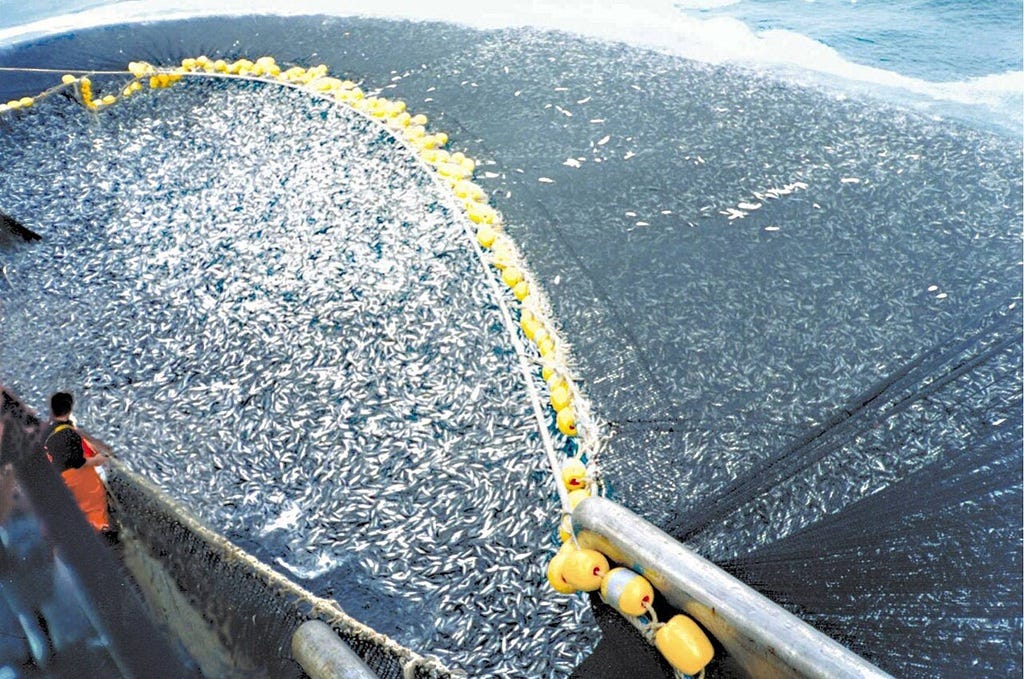
China's aggressive fishing practices are leading to significant environmental degradation and threatening global fish stocks. This issue is compounded by the lack of enforcement in international waters, where Chinese vessels often operate illegally. The problem is not just local; it has global ramifications that affect biodiversity and the livelihoods of fishermen in poorer countries.
Types of Environmental Harm
Environmental harm can be categorized into three types: local, global, and natural world harm. Local harm affects nearby communities through pollution, while global harm, like climate change, impacts distant populations. The third type, harm to the natural world, often goes unnoticed as it primarily affects non-human entities. Addressing these types of harm requires different strategies, particularly when it comes to altruism and conservation efforts.
China's Fishing Practices
China's fishing fleet is the largest in the world, with 57,000 industrial vessels accounting for a significant portion of global fishing activity. Reports indicate that 30% of all fishing on the high seas is conducted by Chinese vessels. These boats often engage in illegal practices, such as turning off transponders and fishing in restricted waters, leading to overfishing and depletion of fish stocks. The Chinese government has made some efforts to regulate fishing within its borders, but these efforts do not extend to international waters.
Global Implications
The consequences of China's overfishing are severe. It not only threatens local economies in countries like Peru and Ecuador but also disrupts marine ecosystems. The aggressive tactics employed by Chinese fishing fleets, often supported by the government, have raised concerns about biodiversity loss and the sustainability of fish populations globally. The situation is exacerbated by the lack of enforcement capabilities in poorer nations, making them vulnerable to exploitation.
Technological and Regulatory Solutions
To combat overfishing, technological innovations and regulatory frameworks are essential. Countries can implement fishing quotas, utilize satellite monitoring to track fishing activities, and establish marine protected areas. International agreements can also play a crucial role in coordinating efforts to manage fish stocks sustainably. For example, the use of blockchain technology can enhance transparency in the fishing supply chain, making it easier to track illegal activities.
The Role of Altruism in Conservation
While economic self-interest often drives environmental degradation, there is a growing recognition of the intrinsic value of nature. As societies become wealthier, there is potential for increased altruism towards conservation. This shift can lead to better environmental practices, as seen in some of China's recent policies aimed at biodiversity. However, the challenge remains to balance national interests with global sustainability efforts, especially in light of geopolitical tensions.
Why it matters
Understanding the complexities of environmental issues like overfishing can enhance your ability to develop effective policies and strategies in your career. By applying these insights, you can contribute to sustainable practices that benefit both the economy and the environment.
Get your personalized feed
Trace curates the best articles, videos, and discussions based on your interests and role. Stop doom-scrolling, start learning.
Try Trace free