
Hello Kitty: She's just a girl with a star on the Hollywood Walk of Fame
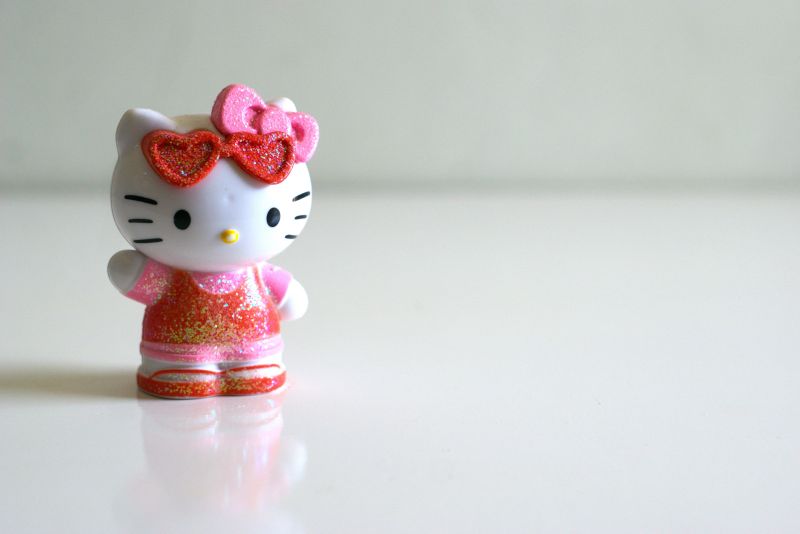
Key Takeaways
Hello Kitty's character design invites personal interpretation, fostering a deep emotional connection.
Yuko Yamaguchi's leadership style emphasizes listening and adapting to fan feedback.
The character's enduring appeal is rooted in simplicity and universal values like kindness and friendship.
The Origins of Hello Kitty and Kawaii Culture
Did you know that Hello Kitty isn't actually a cat? She's a little girl from London, standing just three apples tall. This character emerged in 1974, coinciding with the rise of kawaii culture in Japan, which emphasizes cuteness and playfulness as a form of rebellion against rigid social norms. While Hello Kitty didn't create kawaii, she became its global ambassador, embodying a cultural movement that resonates emotionally across generations.
Yuko Yamaguchi: The Heart Behind the Character
At the core of Hello Kitty's success is Yuko Yamaguchi, the lead designer who has nurtured the character for nearly fifty years. Yamaguchi sees Hello Kitty not merely as intellectual property but as a living personality. She once stated, "She became my second identity. What she does, I do, what I do, Hello Kitty does." This deep connection reflects a unique leadership style—one that is embodied rather than imposed, allowing the character to evolve naturally.
Listening as a Core Practice
Yamaguchi's stewardship is characterized by an ongoing practice of listening. For 46 years, she engaged with fans, observing their interactions with Hello Kitty and adapting the brand accordingly. For instance, when a high school girl requested more age-appropriate products, Yamaguchi responded by launching a new line for teenagers. This approach made Hello Kitty feel alive, growing alongside her fans and fostering a sense of community.
The Power of Simplicity
Hello Kitty's design is strikingly simple—she has no mouth and a minimal backstory. This restraint invites people in, allowing them to project their feelings and interpretations onto her. In a world that often demands clarity, Hello Kitty's openness creates a generous space for imagination. Her core values of kindness, friendship, and inclusivity transcend cultural boundaries, making her relatable to diverse audiences.
Holding the Center Amidst Change
From children's stationery to luxury collaborations, Hello Kitty is omnipresent, yet she remains true to her essence. Yamaguchi's careful stewardship has ensured that while trends come and go, Hello Kitty's core identity remains intact. This balance of steadiness and adaptability allows her to thrive in various contexts—from high fashion runways to everyday life—without losing her recognizable form.
The Secret to Lasting Relevance
Ultimately, the secret to Hello Kitty's enduring appeal lies in her simplicity and the trust in her foundational values. She's not trying to be everything at once; she's just a girl, and someone cared enough to know when to protect her and when to let her evolve. This lesson in brand stewardship is invaluable for professionals seeking to create lasting connections with their audiences.
Why it matters
Understanding Hello Kitty's success offers insights into effective brand management. It highlights the importance of listening to your audience and maintaining core values while adapting to change.
Get your personalized feed
Trace curates the best articles, videos, and discussions based on your interests and role. Stop doom-scrolling, start learning.
Try Trace free